Top 6 Historic Architectural Styles in Boston
Updated for 2025
Boston’s architectural landscape tells a story of history and innovation. From colonial roots to modern marvels, each style reflects an era’s spirit, shaping the city’s iconic skyline. Explore these six Boston architectural styles through landmark buildings, perfect for history buffs and curious visitors.
See how these styles shaped neighborhoods in our Boston neighborhoods guide.
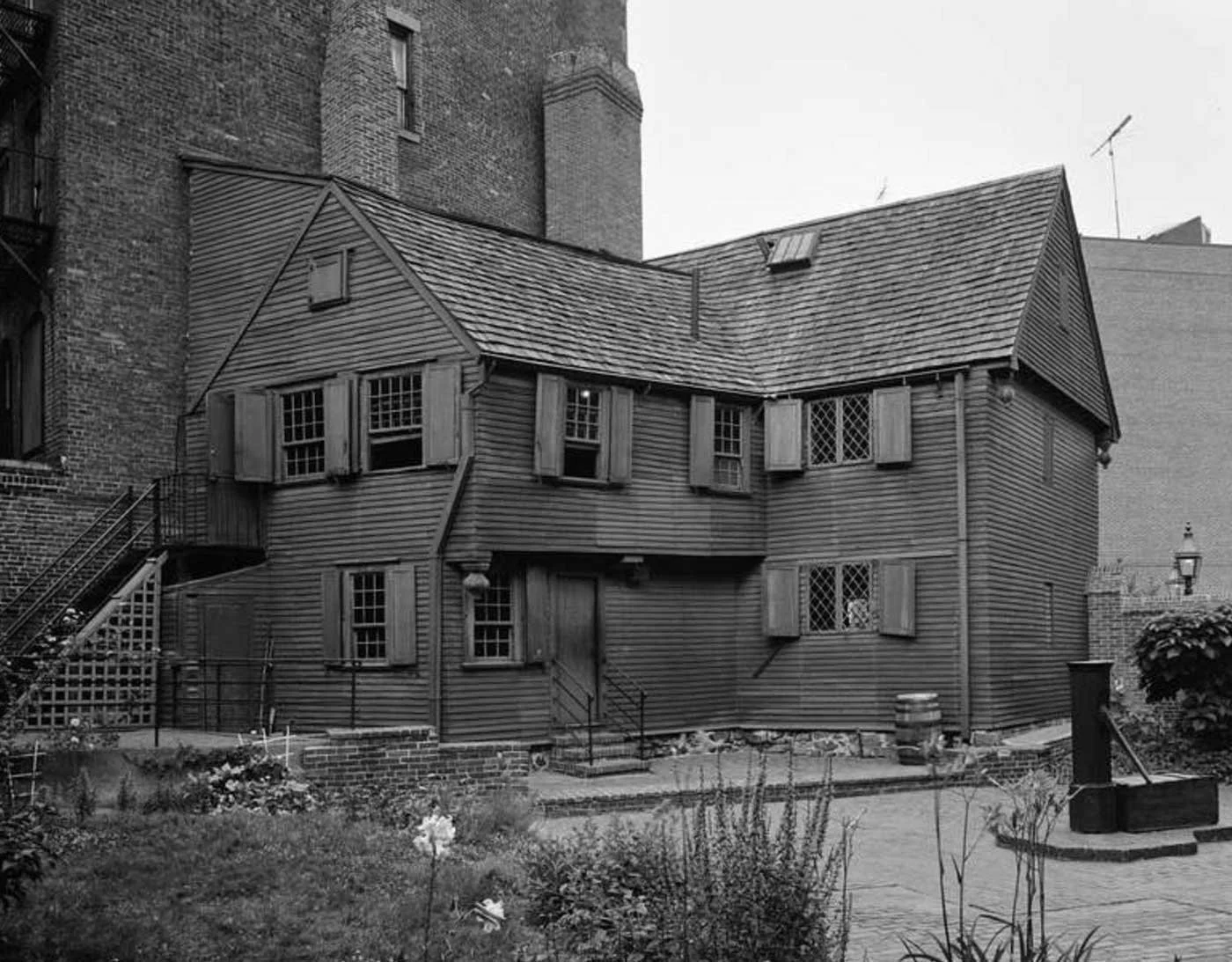
1. Colonial Architecture
Boston’s 17th- and 18th-century settlers built sturdy colonial homes to endure New England winters. The Paul Revere House (19 North Square, North End), built in 1680, showcases steep roofs, leaded-glass windows, and a central chimney for multi-family living. As Boston’s oldest building, it’s a must-see Boston historic site. Open Tue–Sun, 9:30 AM–5:15 PM (Apr–Oct).
Explore more history in our guide to Jamaica Plain’s historic sites.
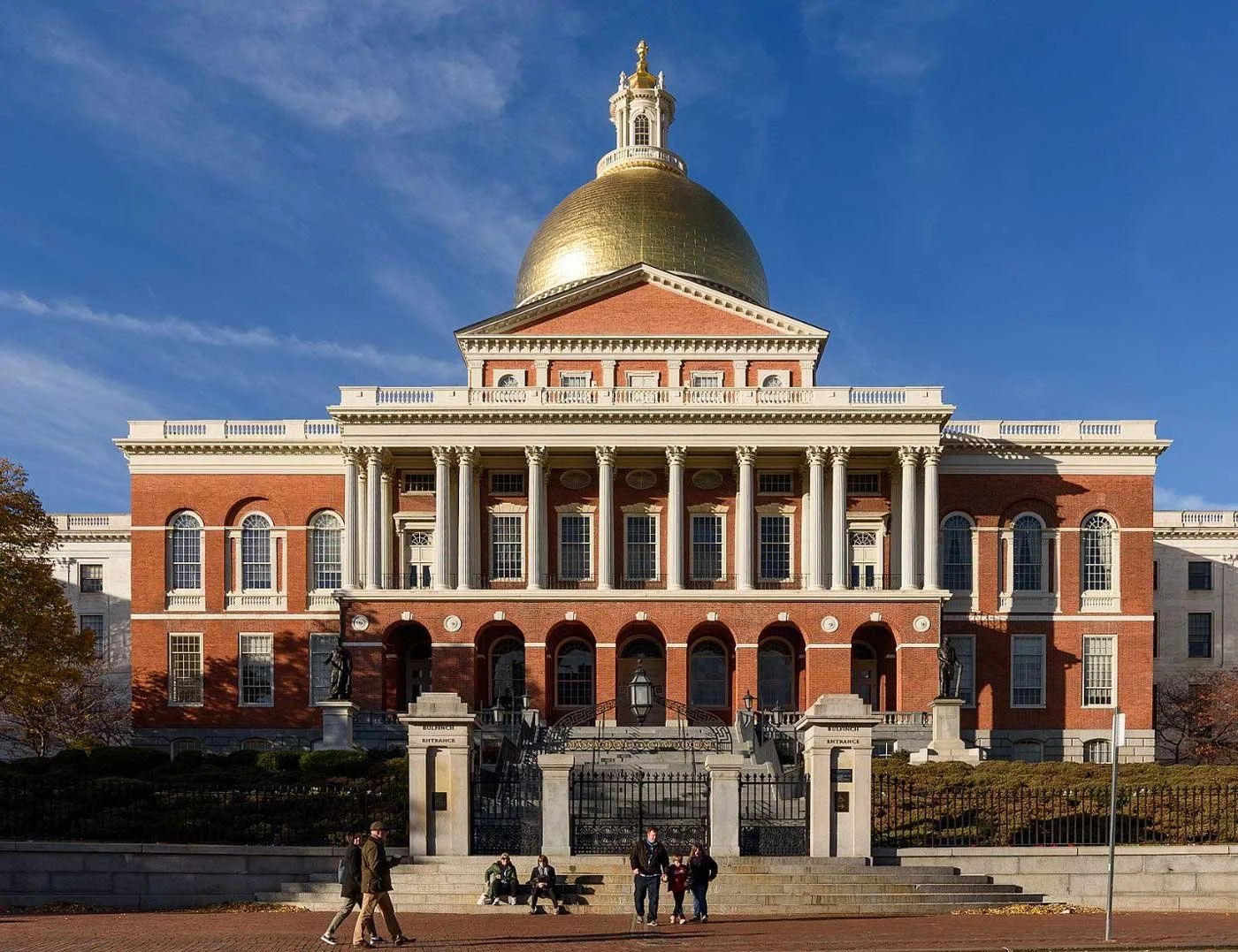
2. Federal Style
Post-independence, the Federal style brought refined classicism to Boston. The Massachusetts State House (24 Beacon St, Beacon Hill), completed in 1798, features a gilded dome, grand portico, and neoclassical symmetry. Designed by Charles Bulfinch, it’s a Boston architectural landmark. Free tours run weekdays, 10 AM–3:30 PM.
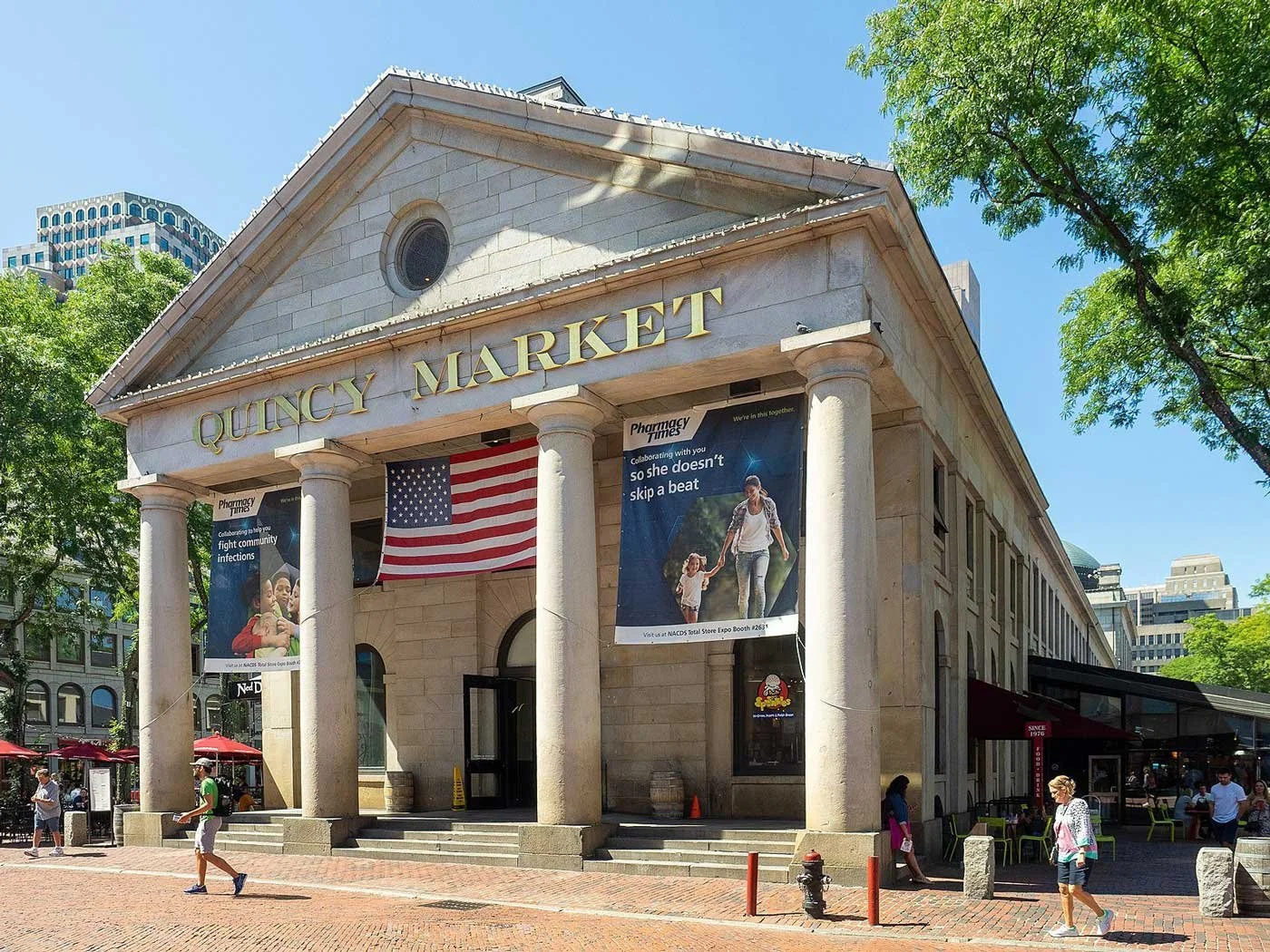
3. Greek Revival
Inspired by ancient Greece’s democratic ideals, the Greek Revival style flourished in the early 19th century. Quincy Market (206 S Market St, Downtown), built in 1826, boasts granite facades, Doric columns, and pediments. A bustling Boston food hall today, it’s open daily, 10 AM–9 PM (shops vary).
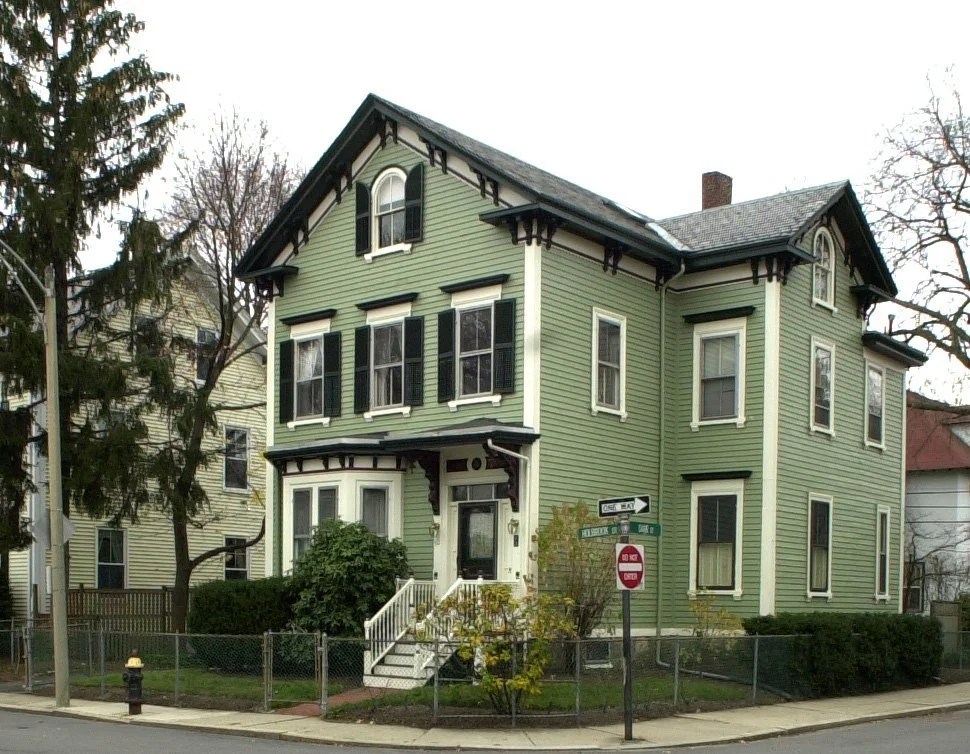
4. Victorian Era
The 19th-century Victorian era brought ornate styles like Italianate and Queen Anne. The Painted Ladies of South End (e.g., Union Park, Tremont St) are gorgeous row houses with intricate ironwork and colorful facades. Explore on a self-guided walk or join 2025 Boston architecture tours.
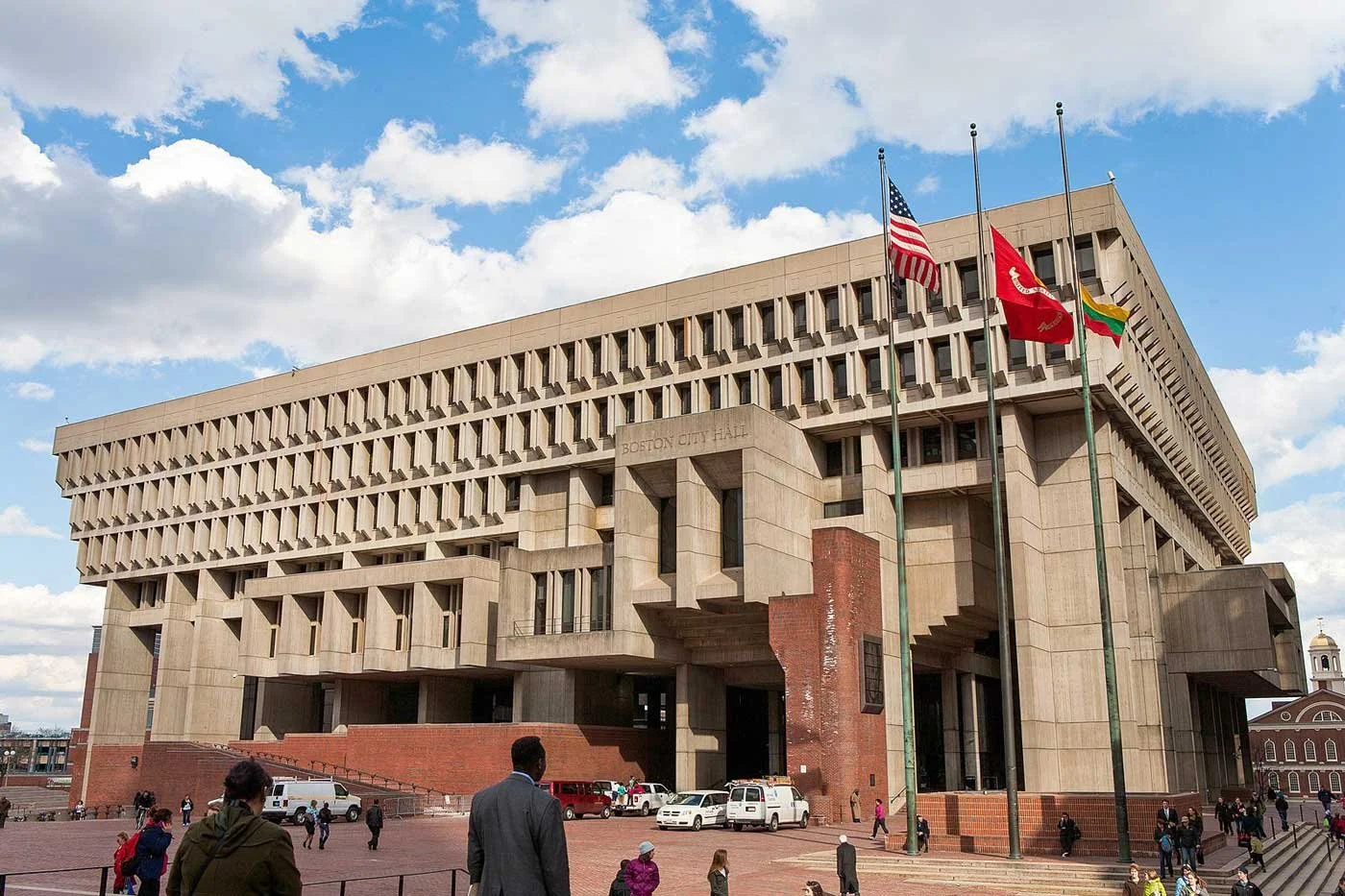
5. Modern and Post-Modern
The 20th century ushered in bold modernist and brutalist designs. Government Center (1 Cambridge St, Downtown), built in the 1960s, exemplifies brutalism with raw concrete and sculptural forms. Nearby, the John Hancock Tower (200 Clarendon St, Back Bay neighborhood), completed in 1976, reflects postmodernism’s sleek glass exterior, contrasting historic neighbors.
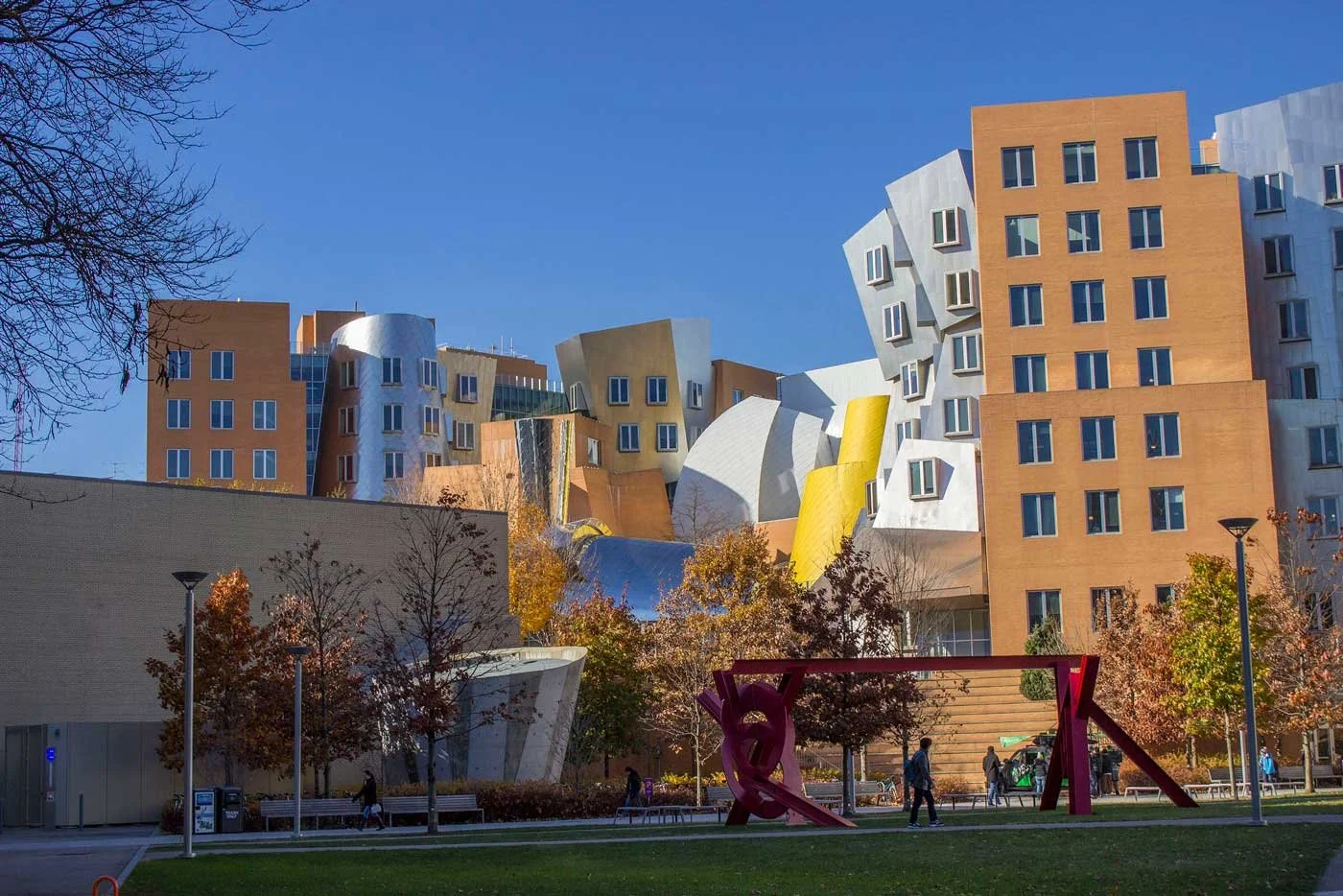
6. 21st Century and Sustainability
Boston’s 21st century embraces sustainable design, transforming areas like the Seaport District. MIT’s Stata Center (32 Vassar St, Cambridge), designed by Frank Gehry in 2004, is a deconstructivist icon with playful, chaotic forms, symbolizing innovation. Free public tours available; check mit.edu for 2025 schedules. A top Boston modern architecture spot, it’s open daily.
Boston’s Architectural Story
From colonial homes to cutting-edge designs, Boston’s buildings weave a living narrative. Which architectural style is your favorite? Share in the comments!
Discover more history with our guide to Boston’s lost landmarks.