Boston’s Big Dig Surprise: A Sunken Ship Discovered Beneath the City
Boston’s streets hide secrets, and sometimes, they’re buried deep beneath the city itself. During the 1990s, as workers carved tunnels for the Big Dig—the massive project that reshaped Boston’s highways—they stumbled upon something extraordinary: a sunken ship, tucked away in the landfill of what was once the city’s waterfront. This wasn’t just a relic; it was a window into Boston’s maritime soul, a reminder of the port that powered the city centuries ago. Like slipping into one of Boston’s hidden speakeasies, discovering this ship felt like stepping into a forgotten story. Here’s how the Big Dig accidentally dug up a piece of Boston’s past and why it still captivates us in 2025.
A Maritime Ghost Emerges
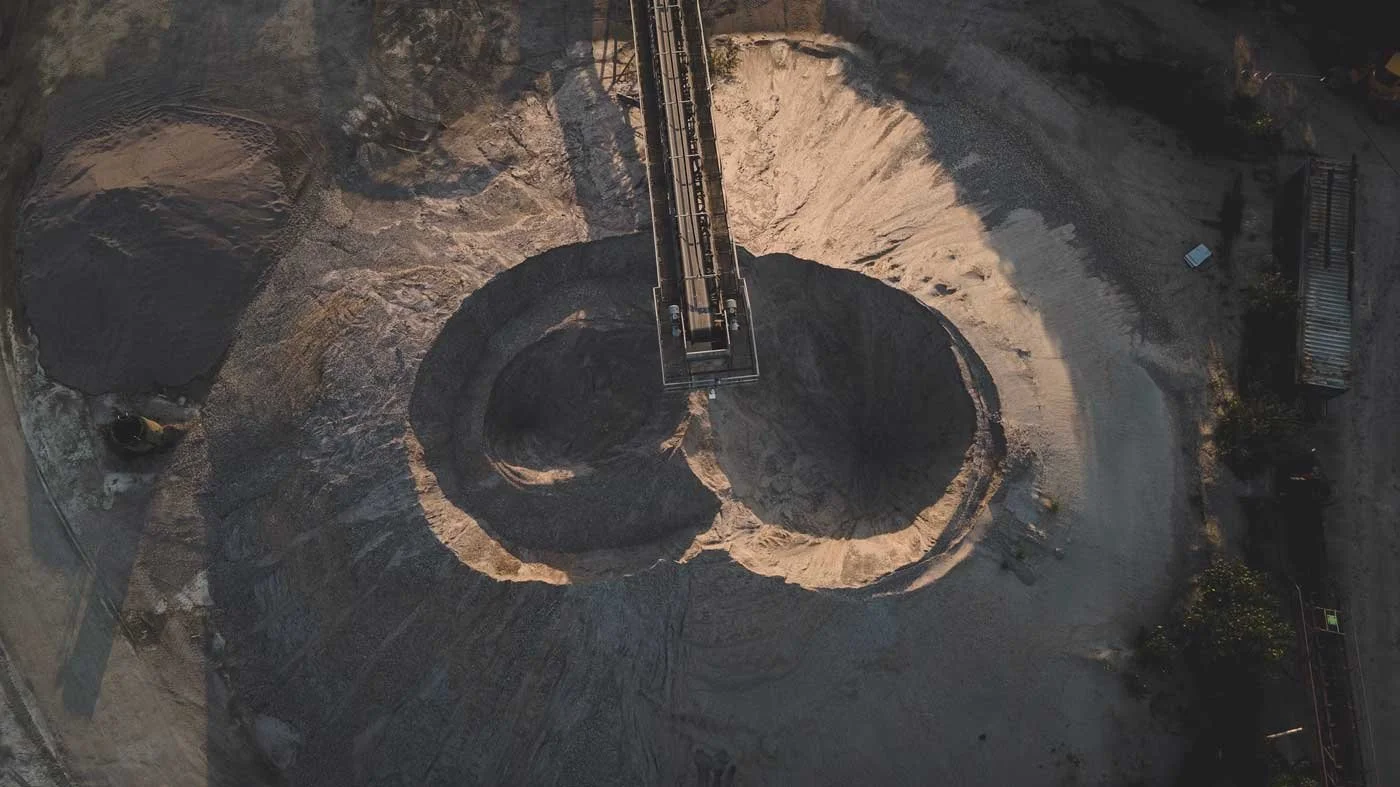
The Big Dig, officially the Central Artery/Tunnel Project, was all about moving Boston’s congested Interstate 93 underground and linking the city to Logan Airport via the Ted Williams Tunnel. Starting in 1991, workers excavated millions of cubic yards of dirt, navigating a maze of old subway lines, utility pipes, and landfill that had extended Boston’s shoreline over centuries. In this reclaimed land, they hit unexpected obstacles—glacial debris, buried house foundations, and, most intriguingly, the remains of ships long forgotten. One such discovery, reported during the project’s early years, was a partial shipwreck, likely from the 19th century, found in the muddy depths of what was once Boston Harbor’s edge.
This wasn’t a grand galleon or a pirate’s prize but a working vessel, possibly a small merchant ship or coastal trader, sunk or abandoned as the city filled in its waterfront. The ship’s wooden hull, preserved in the oxygen-poor landfill, emerged like a ghost from Boston’s maritime heyday, when the harbor buzzed with trade—wine, spices, and even lime from Maine, as later finds would suggest. Archaeologists, called to the scene, raced to document the wreck before construction resumed, capturing a snapshot of a city built on seafaring. The Big Dig, already a feat of engineering, became an accidental time machine, peeling back layers of Boston’s history.
Boston’s Waterfront, Reimagined
To understand why a ship ended up beneath modern Boston, picture the city’s waterfront in the 1800s. Places like the Seaport District, now a bustling hub explored in our neighborhood guide, were once mudflats and shallow waters. As Boston grew, developers filled these areas with dirt, debris, and even old ships, creating new land for buildings and docks. The Dorchester Flats, for instance, were filled in by the 1880s, swallowing vessels left behind in the process. This sunken ship, likely scuttled or wrecked before the landfill buried it, was one of many casualties of Boston’s expanding shoreline.
The Big Dig’s discovery wasn’t the only time a ship surfaced in the city. In 2016, construction workers at 121 Seaport Boulevard uncovered the Seaport Shipwreck, a 47-foot-long schooner from the mid-1800s, likely a two-masted “pinky,” as documented by the City of Boston Archaeology Program. Found under 20 feet of fill on what was once the South Boston Flats’ seabed, it carried dozens of lime barrels from Rockland, Maine, used for mortar in Boston’s booming neighborhoods. A fire, possibly sparked by wet lime heating up, burned the ship’s stern and cargo, leading to its sinking between 1869 and 1885, before the area was filled in. Archaeologists found burned household items, like ironstone plates and post-1869 forks, hinting at the crew’s life. This find echoed the Big Dig’s earlier surprise, showing how Boston’s past lies just below the surface.
Why It Matters in 2025
The Big Dig, completed in 2007, transformed Boston—burying the Central Artery, opening the Rose Kennedy Greenway, and easing traffic that once choked the city. But its accidental archaeological finds, like this sunken ship, added a layer of cultural richness to the project. They reminded Bostonians that their city, born on the water, carries its maritime history in its bones. In 2025, as we stroll the Greenway or hit up Fenway’s music scene, the ship’s story connects us to the sailors and merchants who made Boston a hub centuries ago.
Archaeologists couldn’t save the Big Dig’s ship—construction demands often outpace preservation—but its discovery sparked a deeper appreciation for Boston’s buried past. Today, efforts to document finds, like the 2016 Seaport wreck, involve 3D scanning and public exhibits, ensuring history isn’t lost. The Big Dig’s legacy isn’t just tunnels and bridges; it’s a bridge to the past, uncovering relics that make Boston’s story feel alive.
Tips for Exploring Boston’s Hidden History
Visit the Greenway: Walk the Rose Kennedy Greenway, built atop the Big Dig’s tunnels, and imagine the ships beneath your feet.
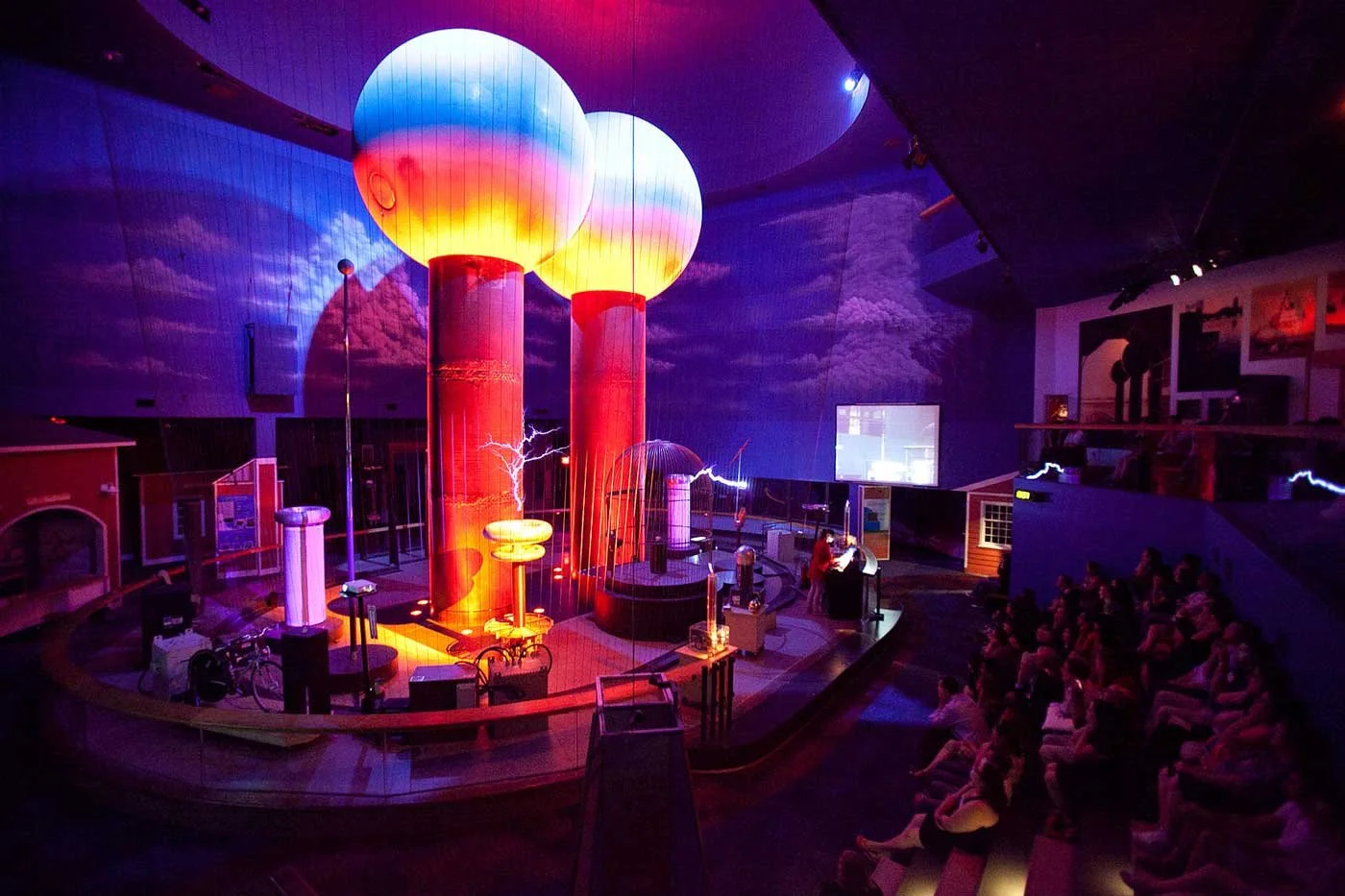
Check Out Museums: The Bostonian Society or Museum of Science often feature exhibits on the city’s maritime and archaeological finds.
Get the Gear: Rock Boston pride with retro fits. Browse Secret Boston’s Sweet Shirts to shop for Boston-centric merch.
Explore Local History Events: Catch history talks or exhibits through Secret Boston’s newsletter.
Dig Into Boston’s Past
The sunken ship discovered during the Big Dig is more than a construction footnote; it’s a piece of Boston’s heartbeat, tying us to the harbor that shaped the city. From the muddy depths of the 1990s to the vibrant streets of 2025, this discovery reminds us that history is never far below the surface. Got a thing for Boston’s hidden stories? Join our newsletter for more local gems or share your own history finds on Instagram with #SecretBoston.