Boston’s New Year’s Eve Has Always Been Different — Here’s Why
New Year’s Eve in Boston has never looked like Times Square. And that has always been intentional.
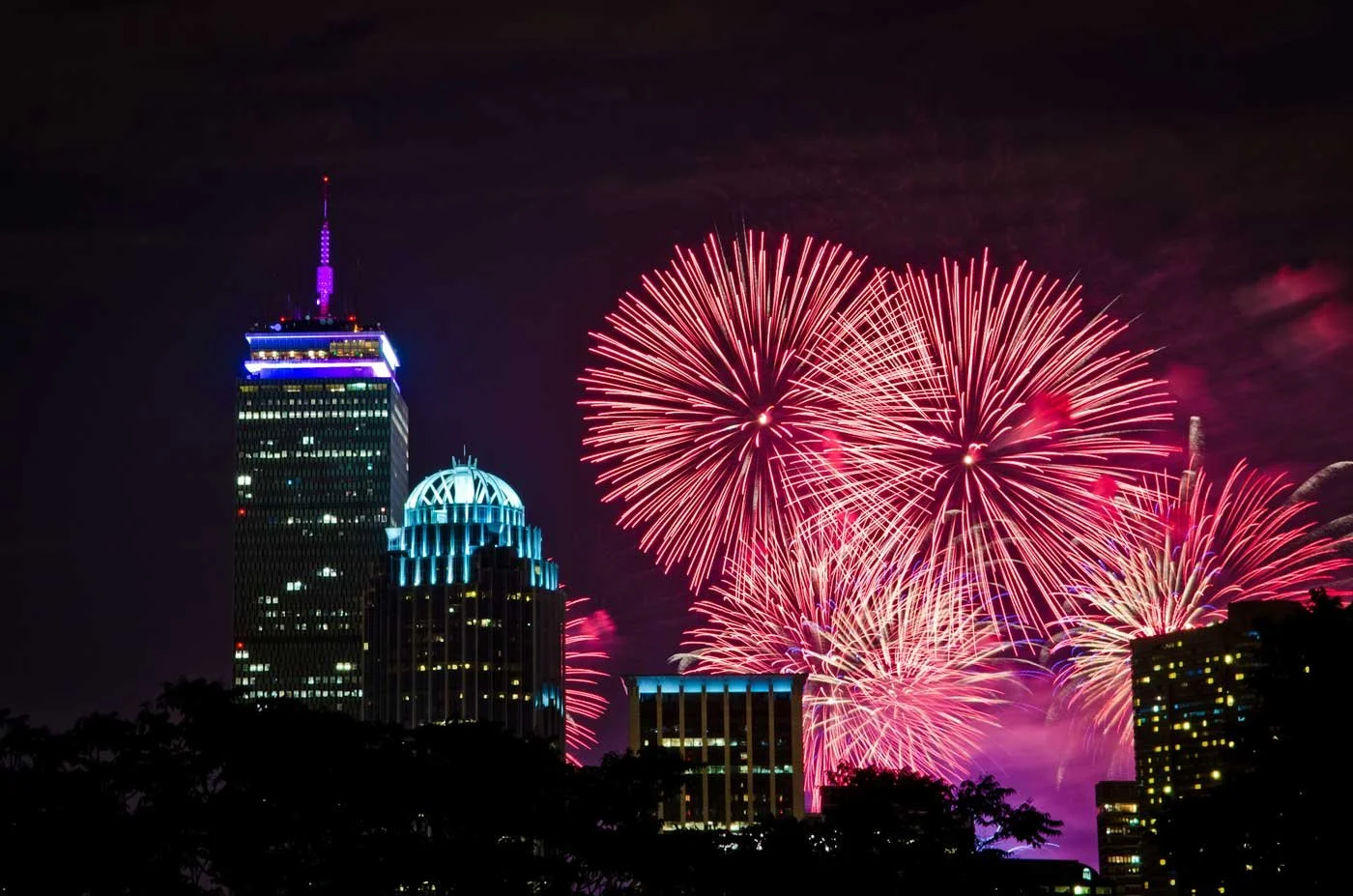
Photo: Han Lei Photo
While other American cities built their New Year’s identity around massive countdowns, packed streets, and nonstop spectacle, Boston took a different path. Here, December 31 has long been treated as a moment of reflection rather than excess. The city does not erupt at midnight. It pauses, acknowledges the turn of the year, and moves forward.
That quieter approach is not accidental. It is rooted deep in Boston’s history.
Why Boston never became a wild New Year’s Eve city
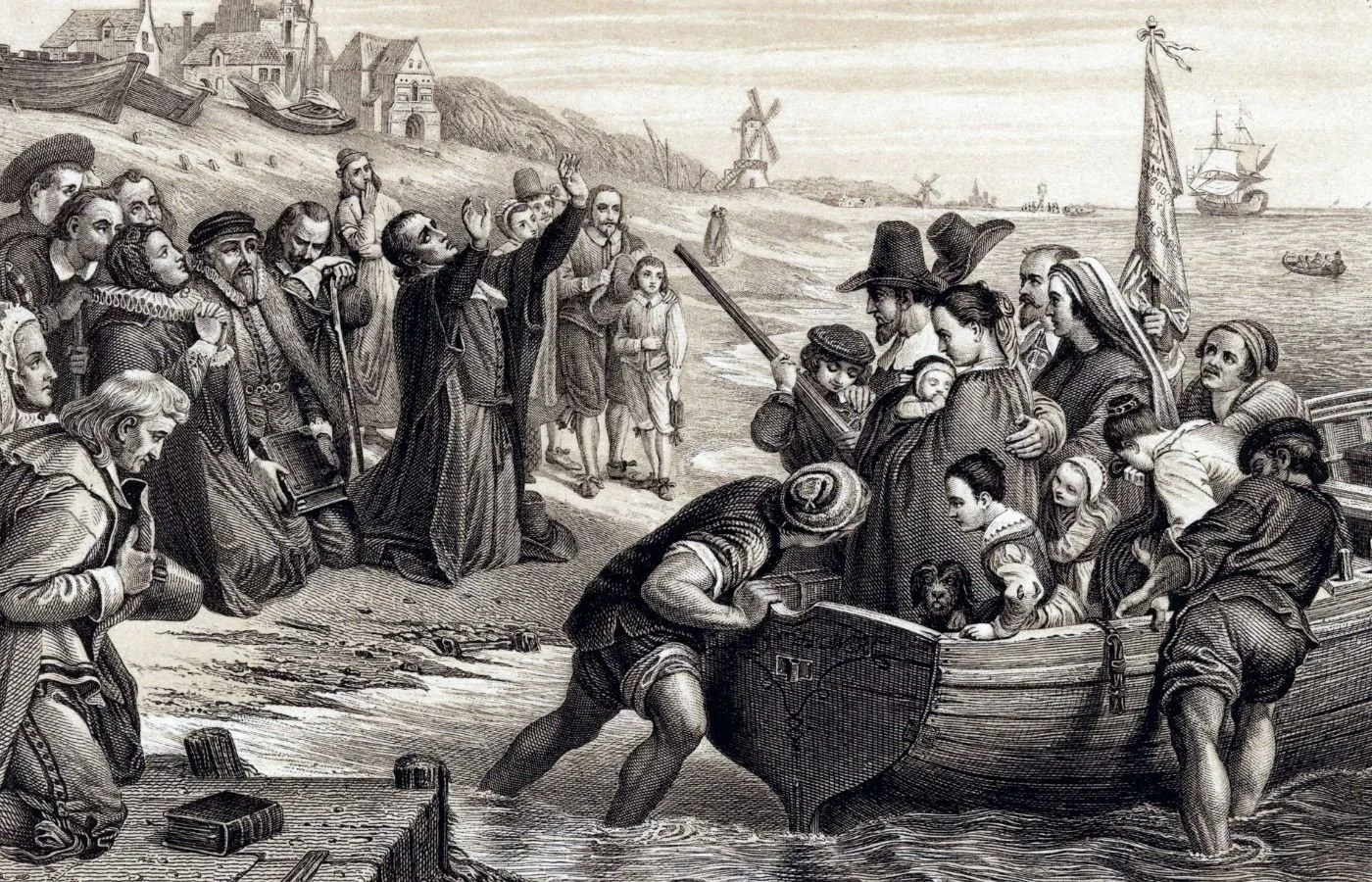
Boston is one of the oldest cities in the United States, and its early culture was heavily shaped by Puritan values. Those values discouraged public revelry, drunkenness, and loud secular celebrations, especially ones untethered from religious meaning.
For much of Boston’s early history, New Year’s Eve was not a major public occasion. The turning of the year carried spiritual weight, but not celebratory excess. Families gathered privately. Churches rang bells. The idea of crowded streets and spontaneous celebration would have clashed with the city’s dominant worldview.
Even as cities like New York embraced social balls, public countdowns, and later massive street celebrations, Boston largely resisted. That cultural restraint lingered well into the modern era and continues to shape how the city experiences December 31 today.
New Year’s as a moment of reckoning, not a party
In early Boston, the new year was often framed as a moral reset rather than a celebration.
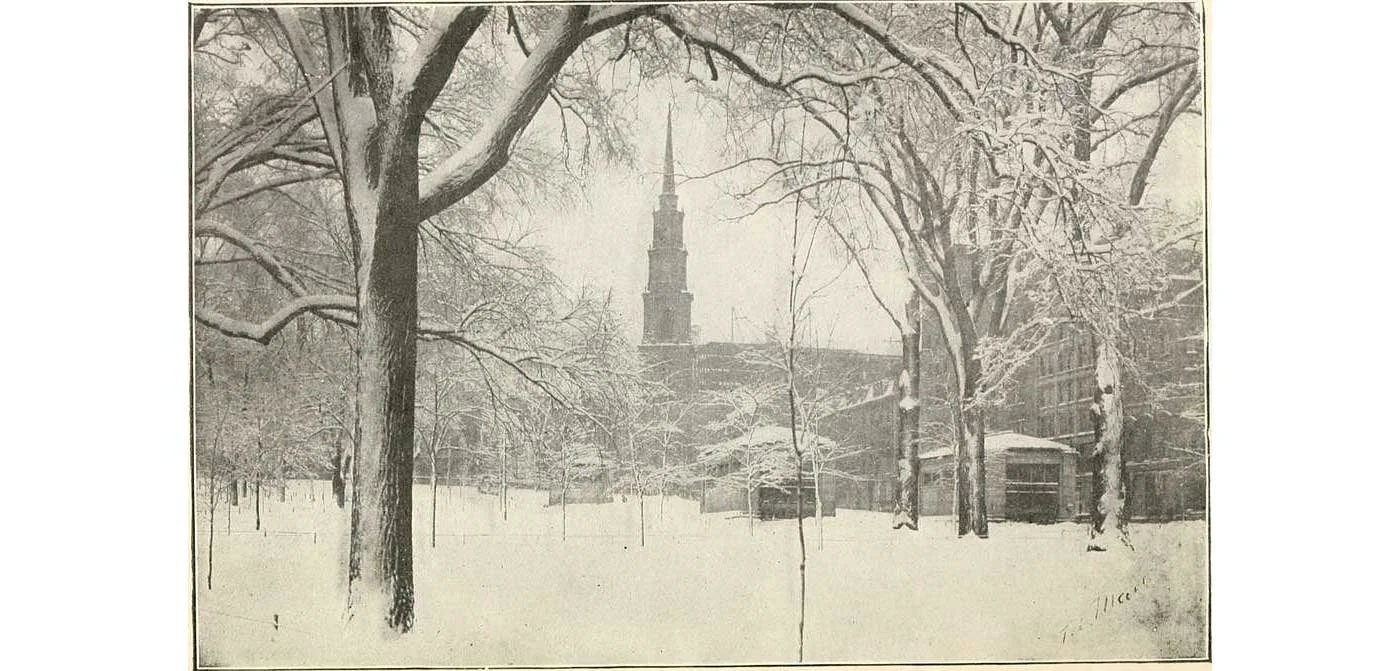
Clergy used the end of December to emphasize reflection, repentance, and accountability. Sermons focused on the passage of time and the responsibilities that came with it. The shift from one year to the next was treated as a moment to take stock, not let loose.
That mindset endured longer in Boston than in many other American cities. Even as public celebrations became more common elsewhere in the 1800s, Boston’s observances remained subdued and inward.
The city’s relationship with New Year’s Eve has always been more philosophical than performative.
Fireworks were controversial long before modern safety debates
Boston’s cautious approach to New Year’s Eve celebrations is also tied to practical history.
As early as the 18th and 19th centuries, fireworks were viewed as a serious risk in a dense city filled with wooden buildings and narrow streets. City leaders worried about fires, injuries, and disorder. Public enthusiasm for fireworks often collided with concerns about safety and property damage.
That legacy helps explain why Boston never developed a tradition of spontaneous, citywide midnight fireworks launched from streets or rooftops. When fireworks eventually became part of New Year’s celebrations, they were controlled, scheduled, and civic in nature rather than chaotic.
The city’s physical layout shaped its cultural habits.
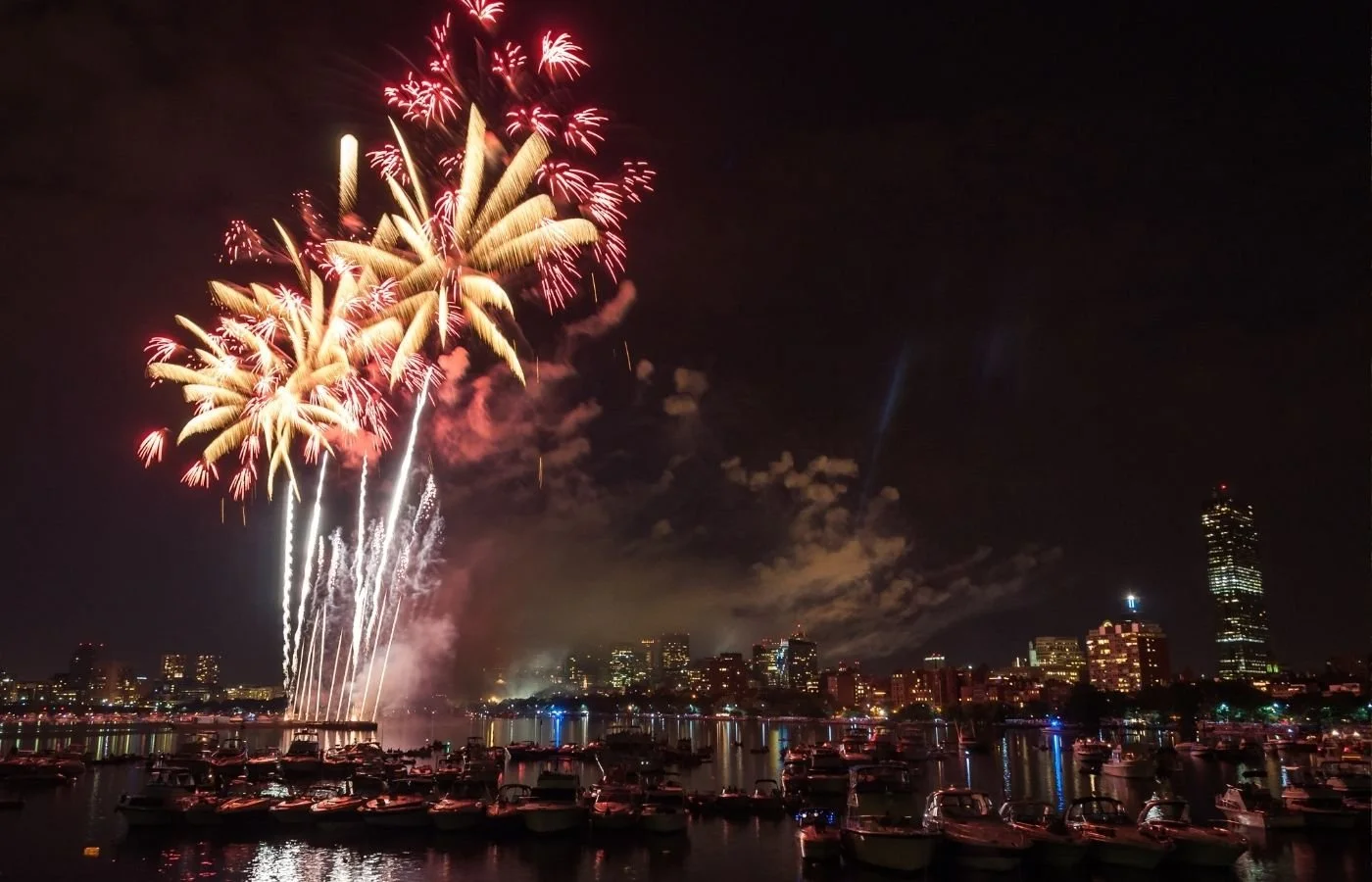
The harbor mattered more than the streets at midnight
Historically, Boston’s most symbolic New Year’s moments were not centered in a single public square. They happened along the water.
Boston has always been a harbor city. Light reflecting off the water, illuminated landmarks, and a quiet skyline carried more meaning than packed plazas. Even today, the most recognizable New Year’s visuals in Boston involve the harbor and skyline rather than shoulder to shoulder crowds.
This emphasis on space and stillness stands in sharp contrast to inland cities where celebrations revolve around central squares and loud countdowns.
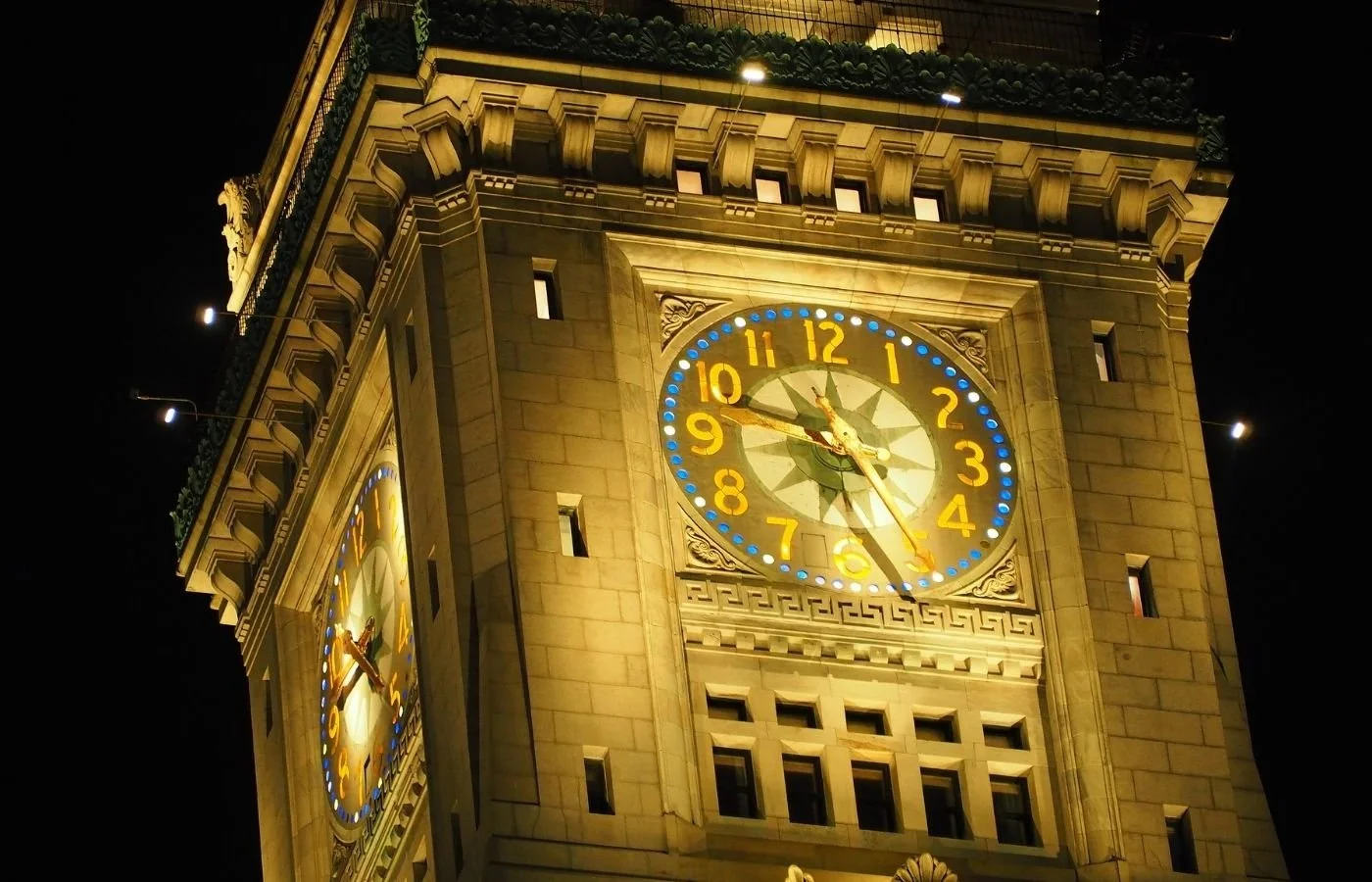
The Boston countdown most people barely notice
Boston technically has a midnight countdown, but it is nothing like New York’s.
At the stroke of midnight, lights descend down the side of the Custom House Tower, one of the city’s most iconic historic buildings. It is understated, elegant, and easy to miss if you are not looking for it.
There are no packed barricades or broadcast countdowns. No confetti storms. No global audience watching.
Just a quiet visual marker overlooking the harbor.
Boston never tried to compete with Times Square. It created its own ritual instead.
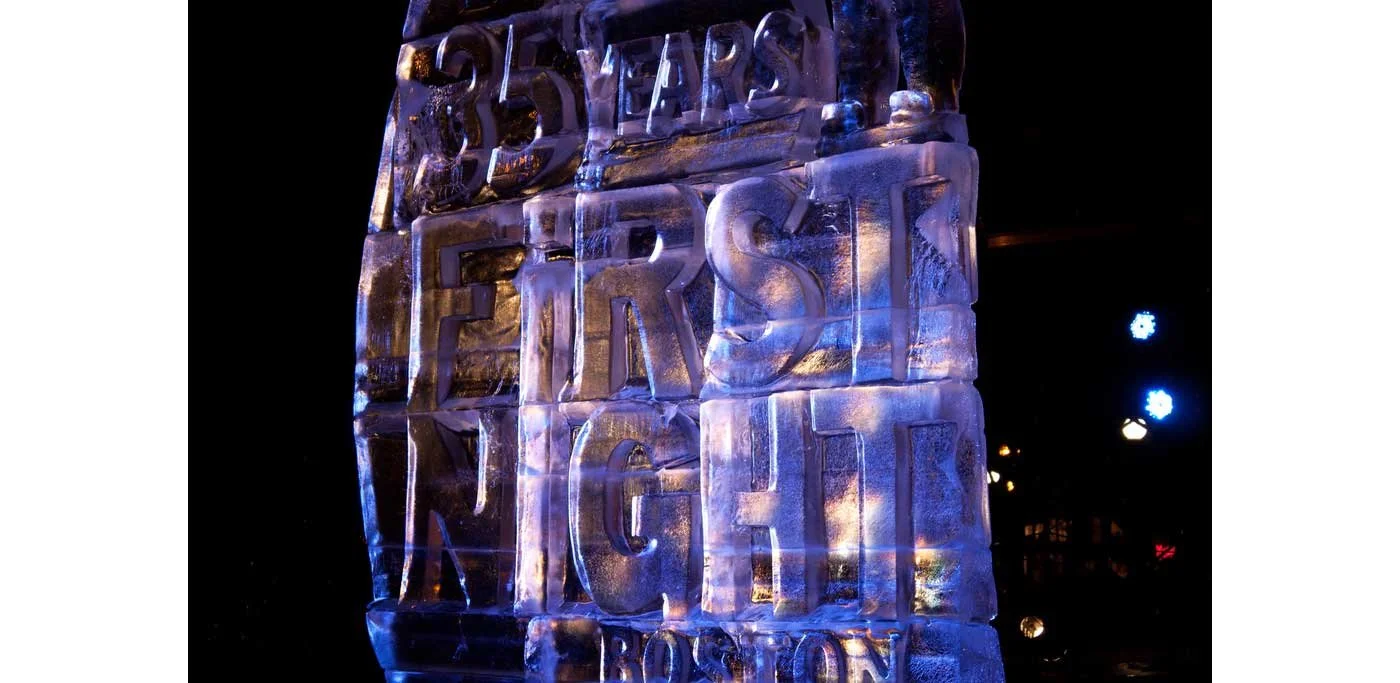
The invention that changed New Year’s Eve nationwide
One of the most overlooked facts about New Year’s Eve in America is how much Boston shaped it.
In 1976, the city launched First Night Boston, a sober, arts focused celebration designed as an alternative to alcohol centered revelry. It featured performances, music, ice sculptures, and fireworks, all meant to be accessible to families and communities.
First Night was revolutionary at the time. It proved that a city could host a large scale New Year’s celebration without chaos.
The idea spread quickly. Cities across the country adopted their own versions in the decades that followed. While many eventually faded, the concept itself was born in Boston and exported nationwide.
Boston did not copy a national trend. It created one.
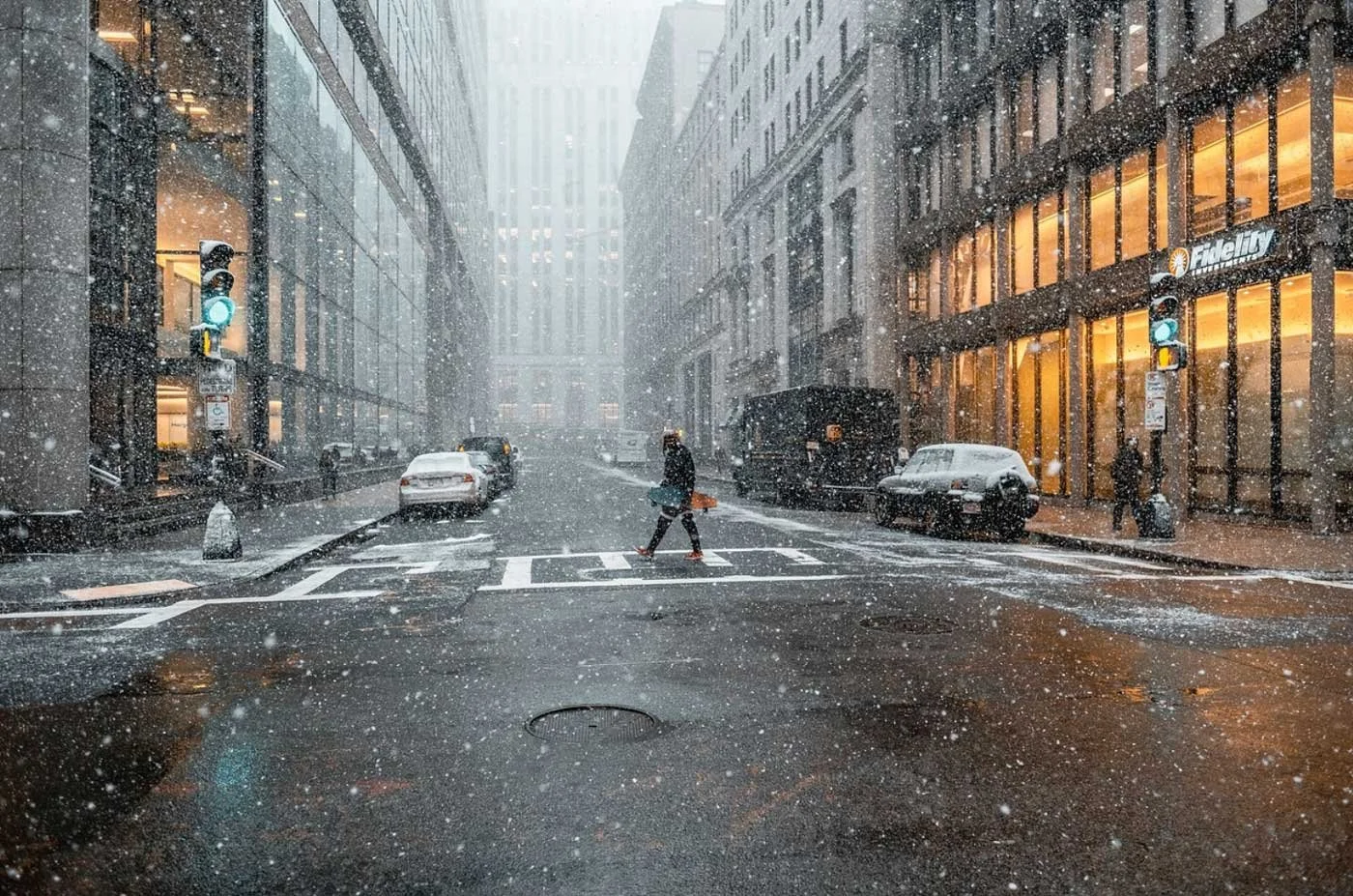
A city that winds down early, then wakes up new
One of the most striking things about New Year’s Eve in Boston is how quickly the city settles after midnight.
Streets clear faster than in many major cities. Neighborhoods grow quiet. By the early hours of the morning, large parts of the city feel calm and still. It is not uncommon to find near empty sidewalks and softly lit streets as the night gives way to the new year.
By morning, Boston resets.
New Year’s Day here has long been associated with walks, reflection, and routine rather than recovery from excess. The city greets January 1 with steadiness, not spectacle.
Why this still feels unmistakably Boston
Boston’s New Year’s Eve story mirrors the city itself.
Old world values layered with modern life. Cultural depth without flashiness. A preference for meaning over attention.
While other cities chase louder celebrations, Boston continues to mark the moment quietly. The new year is acknowledged, not consumed.
And in a world increasingly defined by noise, that restraint is precisely what makes Boston’s New Year’s Eve history so compelling.
It is not about counting down loudly. It is about stepping forward deliberately.