Secret Societies of Boston: Hidden Clubs, Symbols, and History
Boston has long been a city of contradictions — Puritan foundations layered with revolution, wealth shadowed by rebellion.
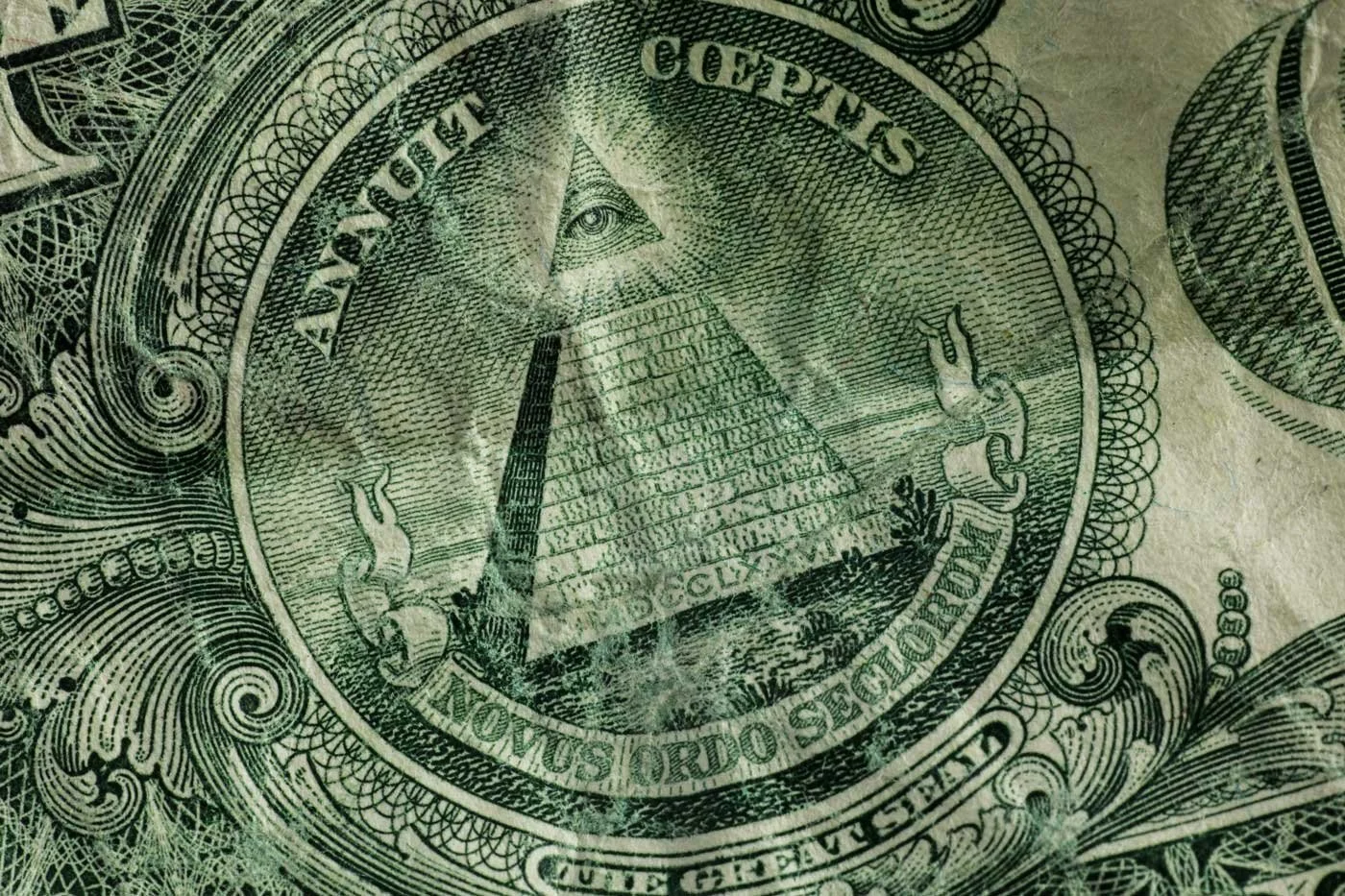
Some of these groups were very real. Others, like the whispered Order of the Saffron Veil, blur the line between historical fact and urban myth.

The Boston Theosophical Society
Founded in the late 19th century, Boston’s chapter of the international Theosophical movement attracted intellectuals, spiritualists, and esoteric thinkers. The group sought hidden truths in ancient religions and Eastern mysticism, hosting lectures on reincarnation, astral travel, and sacred geometry. Its meetings were often held in private salons or reading rooms on Beacon Hill.
The New England Spiritualist Association
Boston played a key role in the rise of Spiritualism — a belief system centered on communication with the dead. By the 1850s, the city was home to dozens of mediums and trance lecturers, including Cora L.V. Tappan, who claimed to channel historical and biblical figures. While some dismissed them as frauds, others saw these spiritualists as part of a larger movement toward uncovering hidden realities.
The Odd Fellows & Masonic Lodges
Although technically fraternal organizations, Boston’s 19th-century lodges often veered into the mystical. Rites involved symbolic death and rebirth, coded language, and ritual garments. Their secrecy led to rumors of deeper occult affiliations — and these groups played a genuine role in shaping the city’s social and charitable institutions.
The Order of the Saffron Veil: History or Invention?
Perhaps the most mysterious group tied to Boston’s occult past is the Order of the Saffron Veil. Unlike the societies above, this one leaves no paper trail — only legend.
According to anecdotal accounts, the group met in Beacon Hill townhouses by candlelight. Members reportedly wore gold-threaded robes and chanted in languages no one could identify. Some believe their rituals were a hybrid of Eastern philosophy and local folklore. One version of the story even links the group to distorted nursery rhymes — eerily similar to the lore surrounding Mother Goose’s Boston origins.
But no official record confirms the Order’s existence. The Boston Athenæum and local historical societies have turned up no definitive references — though letters from that era do document strange gatherings in the West End and North Slope neighborhoods.
It’s possible the Saffron Veil was an invention, perhaps even part of 19th-century spiritualist theater. Or maybe, like so many of Boston’s lost landmarks, it simply vanished without a trace.

Boston’s status as a center of education and rebellion made it fertile ground for alternative thought. Secret societies at Harvard — like the Porcellian Club — demonstrated how influence could operate in silence. Meanwhile, the rise of Romanticism, Transcendentalism, and spiritual experimentation created space for underground belief systems to flourish, even if only briefly.
Final Thoughts
Whether rooted in fact or whispered through legend, Boston’s occult past remains one of its most fascinating layers. These groups — real and rumored — remind us that not every part of the city’s history is recorded in textbooks. Some of it exists in the margins, the shadows, and maybe even the basement of a brownstone you pass every day.